
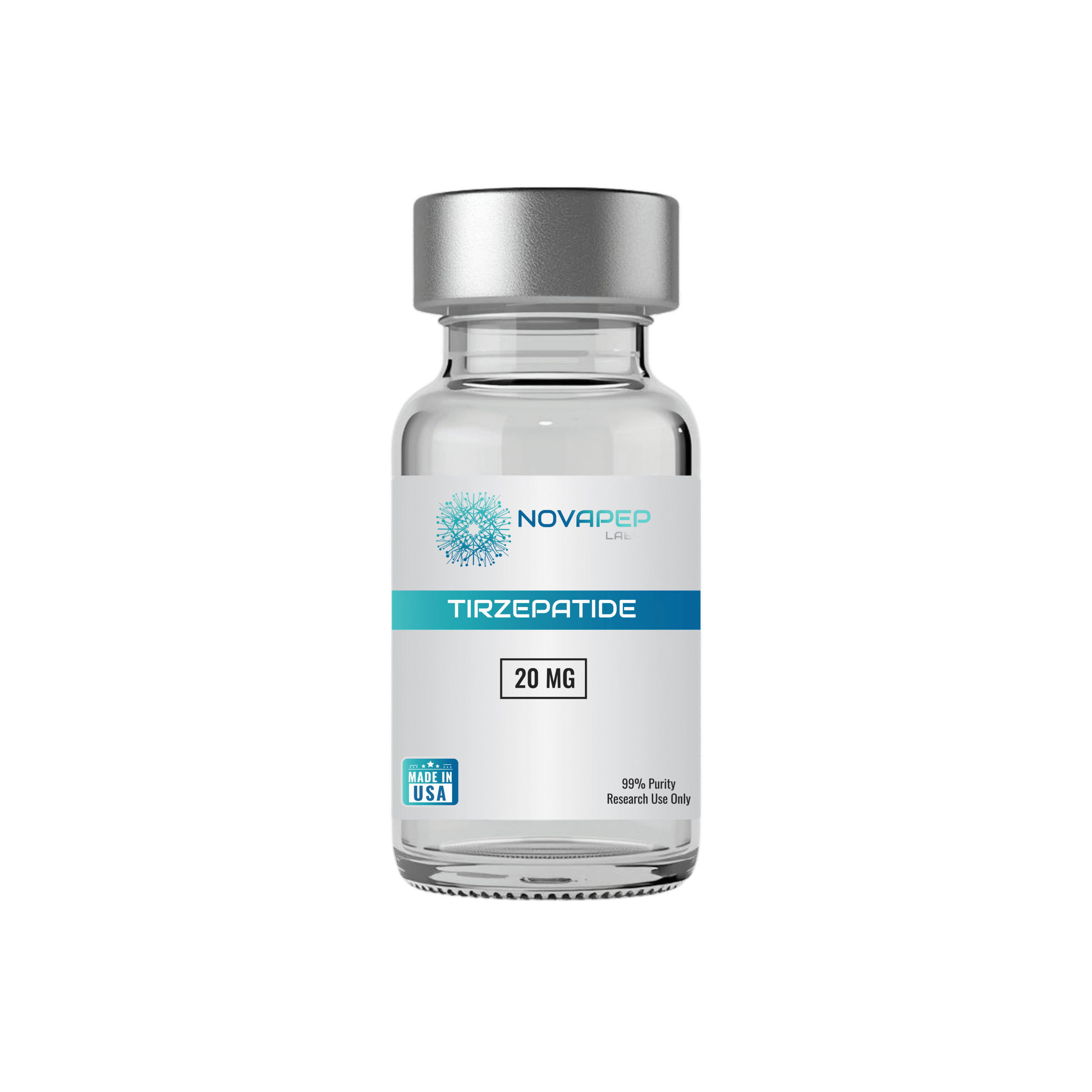
Tirzepatide was initially formulated as a treatment for Type 2 diabetes, but it has since gained recognition as one of the most effective modern therapies for weight management and obesity.
It functions as a dual receptor agonist, activating both GLP-1 and GIP pathways—two powerful hormonal systems that regulate appetite, metabolism, and energy balance.
In contrast to Semaglutide, which acts solely on the GLP-1 receptor, Tirzepatide demonstrated an additional 5–7% improvement in total weight reduction during clinical research.
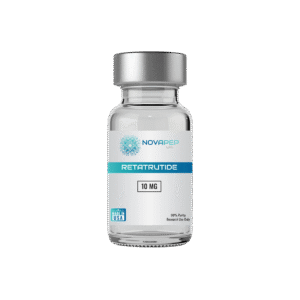
When compared with Retatrutide (a triple agonist), Tirzepatide achieved nearly comparable results, though over a longer duration (72 weeks versus 48 weeks).
Mechanism of Action
- GLP-1 Pathway: Reduces hunger signals, slows gastric emptying, and promotes a longer-lasting sense of fullness.
- GIP Pathway: Stimulates insulin release and supports energy regulation through central nervous system receptors in the hypothalamus.
Key Benefits
- Achieves average body weight reduction of 24.7% after 72 weeks.
- Diminishes appetite and reduces food cravings.
- Improves satiety and supports overall energy equilibrium.
- Promotes fat oxidation and enhances lipid metabolism.
- Increases insulin sensitivity and stabilizes blood glucose levels.
Stacking Recommendations
Tirzepatide may be paired with selected peptides and compounds to boost its metabolic benefits, maintain muscle tissue, and improve recovery:
- AOD-9604 – Enhances lipolysis and accelerates fat reduction while complementing appetite control.
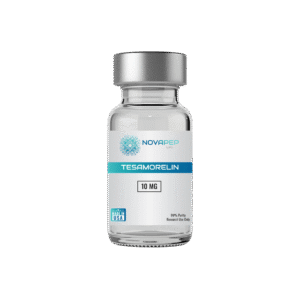
- Tesamorelin – Works synergistically to target visceral fat and improve metabolic regulation.
- Semax / Selank – Help manage mood, focus, and cognitive performance during appetite adjustment phases.
- NAD+ or MOTS-C – Support mitochondrial activity, energy production, and metabolic efficiency during caloric restriction.
- BPC-157 – Promotes gut healing and may alleviate nausea, bloating, or digestive discomfort.
- CJC-1295 / Ipamorelin – Preserve lean muscle mass and aid metabolic recovery throughout fat loss cycles.